I learned to make this dish many years ago, helping my mother in the kitchen. It is one of my favorites because of how versatile it is — it can be sweet, served as a dessert, or savory, served as an appetizer.
The dough is very light and flexible — a thin, fluffy sponge cake made essentially from well-beaten eggs and flour, with or without sugar. It can be filled with dulce de leche (on its own, or with walnuts, shredded coconut, etc.), jam, whipped cream or pastry cream, strawberries, and so on. Or, for a savory version, with tuna, fish, shredded chicken, or cream cheese.
It's always beautiful! If it's sweet, it's decorated with powdered sugar. The version known as the "tree trunk" is stunning, because it involves recreating a trunk with chocolate frosting, and then placing little leaves, flowers, and other details on top, made from slivered almonds and candied fruit.
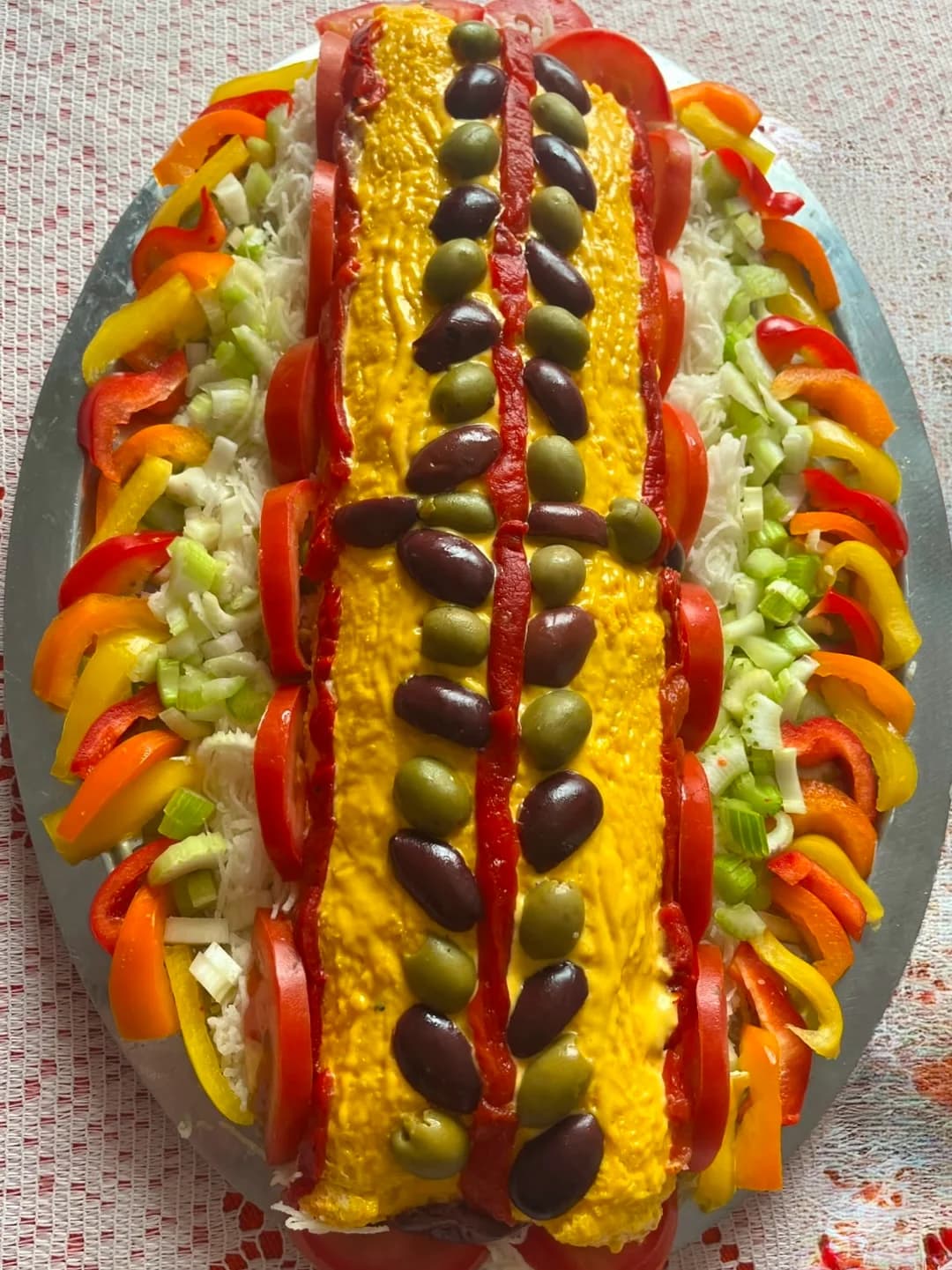
If it's savory, it is garnished with roasted red pepper, olives, etc. Mom taught me to make a kind of egg-free "mayonnaise" that looks stunning: boiled carrot, blended with a little oil, salt, and pepper — you can use it to spread over the basic pionono roll.
It is fresh and wholesome. The savory version is surrounded by fresh or roasted vegetables. As a dessert, it is served with fruit.
The name of this dish has an interesting history: it originated in 19th-century Spain, where it was named in honor of Pope Pius IX. It was small and round. Later, in Latin America — particularly in Peru and Argentina — it was transformed into a long rolled cake, much like a Swiss roll or a jelly roll. It lost its original religious connotation and became a festive dish, as pleasing to the eye as it is to the palate.
Silvia Káter / Catamarca, Argentina