Edible Herbarium
Photographic exhibition by Bob Schalkwijk
Adriaan SchalkwijkNovember 5, 20264 min read
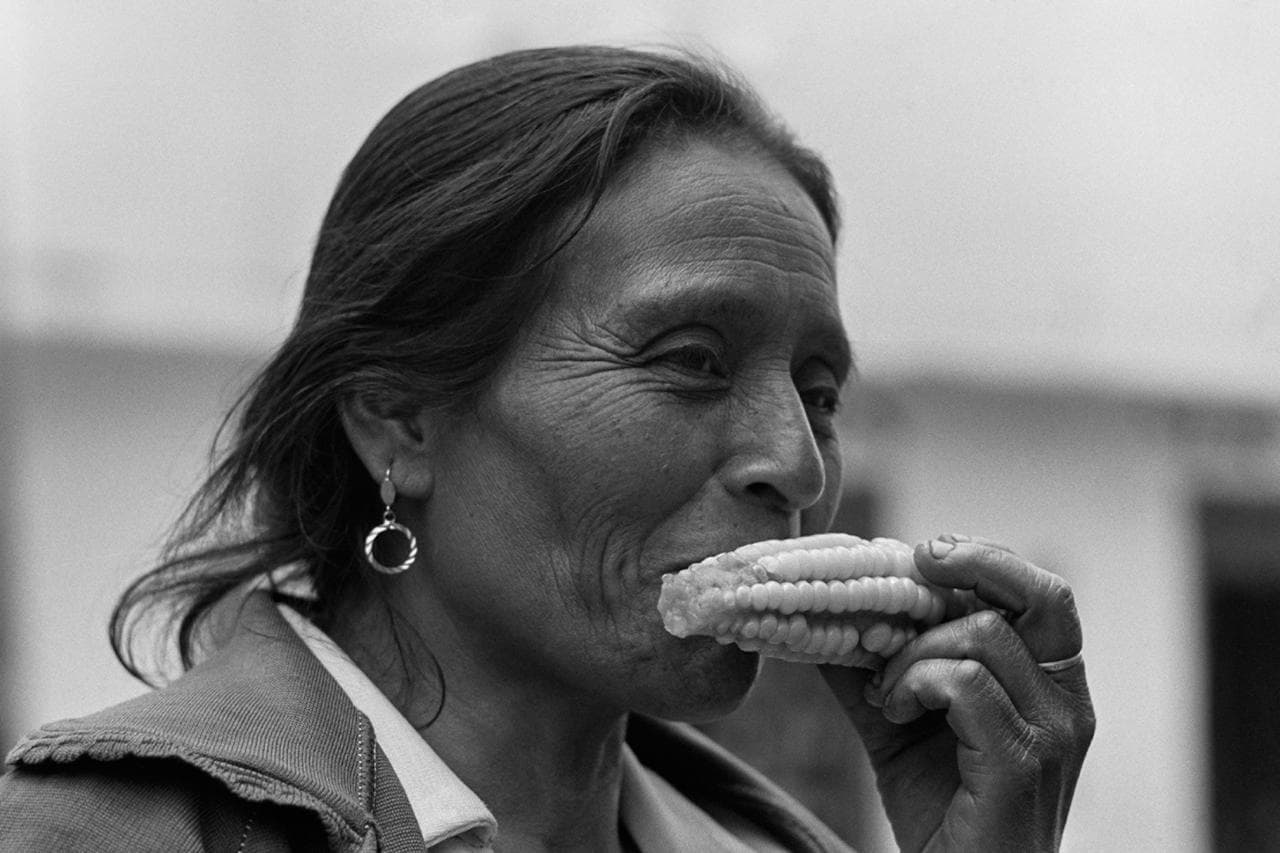
All forms of knowledge begin with observation. This maxim, which could well define the spirit of science, has also been the driving force behind Dutch photographer Bob Schalkwijk’s patient travels across Mexico for more than six decades. His steady gaze does more than record isolated moments; it has built a vast archive that now serves as a visual memory and a testament to the identity of the places he has visited.
In the exhibition Edible Herbarium, housed at the Museum of the Palace of the School of Medicine, this gaze turns to the diversity of the plants that sustain our everyday lives, revealing the invisible threads that bind the land, agricultural labor, cooking, traditional knowledge, and health. Rather than adhere to the rigidity of a botanical classification or a linear chronology, the exhibition proposes an ecosystem of connections. As we move through it, a natural order governing the processes of the land becomes clear. First comes the terrain: the earth itself, the raw material. Then, inevitably, the human labor that tills it; from there emerge the plants and their fruits, which are transformed into culinary preparations and ultimately contribute to health. Crowning this entire cycle is medical knowledge—empirical and ancestral—that permeates every stage.
This journey fulfills one of photography’s almost magical promises: to lend us the author’s eyes. As we contemplate these images, we are invited to inhabit the perspective of a creator who, early in his career, faced the physical limitations of a roll of film and took each photograph to heart during journeys that lasted weeks. It is an invitation to pause and take in the market, the light, the countryside, and the composition with the same boldness with which they were captured.
Within this vast body of work, which includes iconic projects such as his contributions to Claridades Agropecuarias magazine and the beloved ISSSTE editorial series …And Food Was Made (1984), a fascinating contrast in Bob’s personality emerges. Although he is known in the studio as a strict professional who sticks to the rules, his work in the field reveals a deeply playful creator. In the midst of formal assignments, such as systematically documenting the production of a particular fruit or vegetable, Bob often breaks from convention to capture painterly abstractions and unusual compositions driven solely by his curiosity.
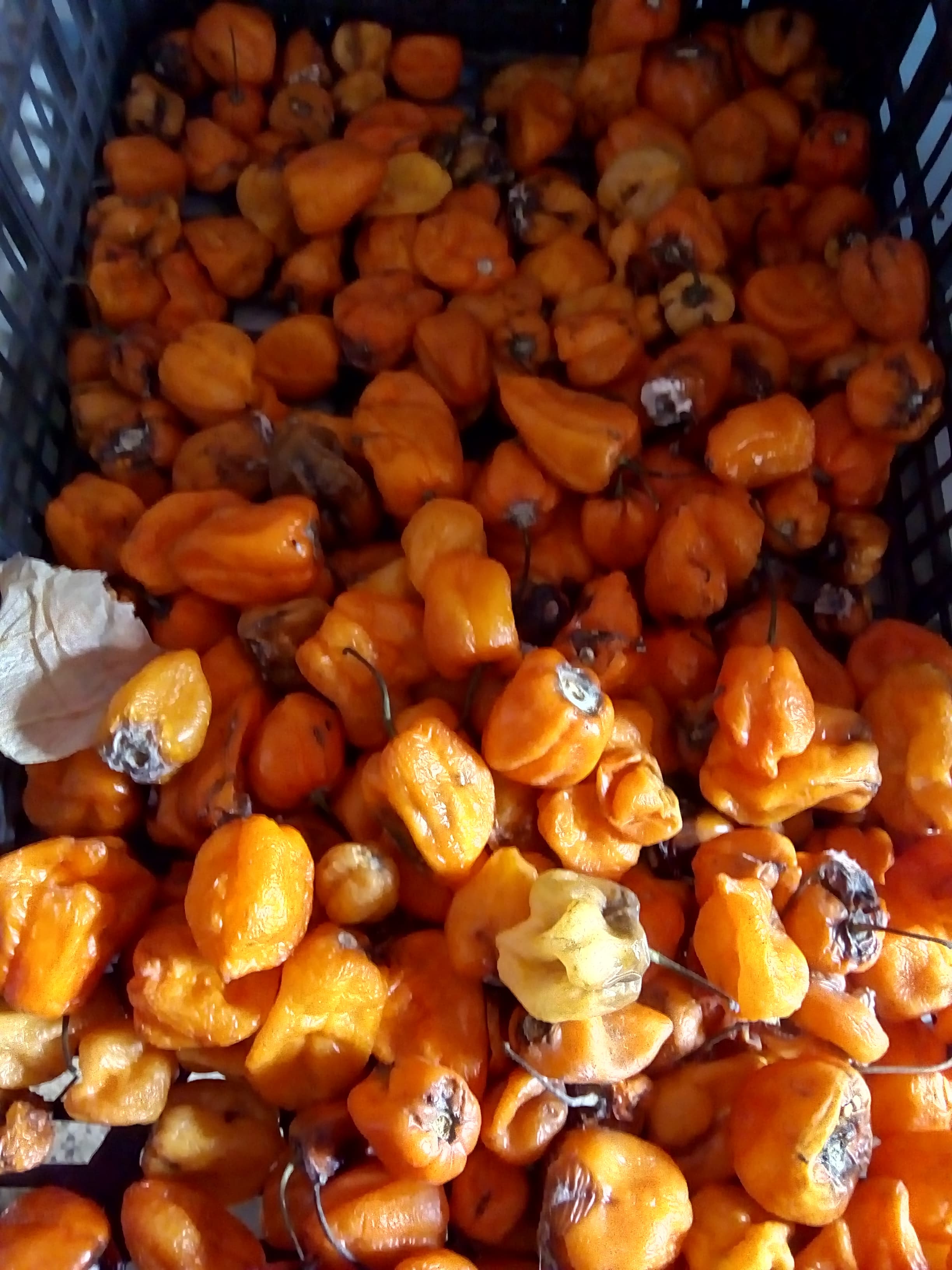
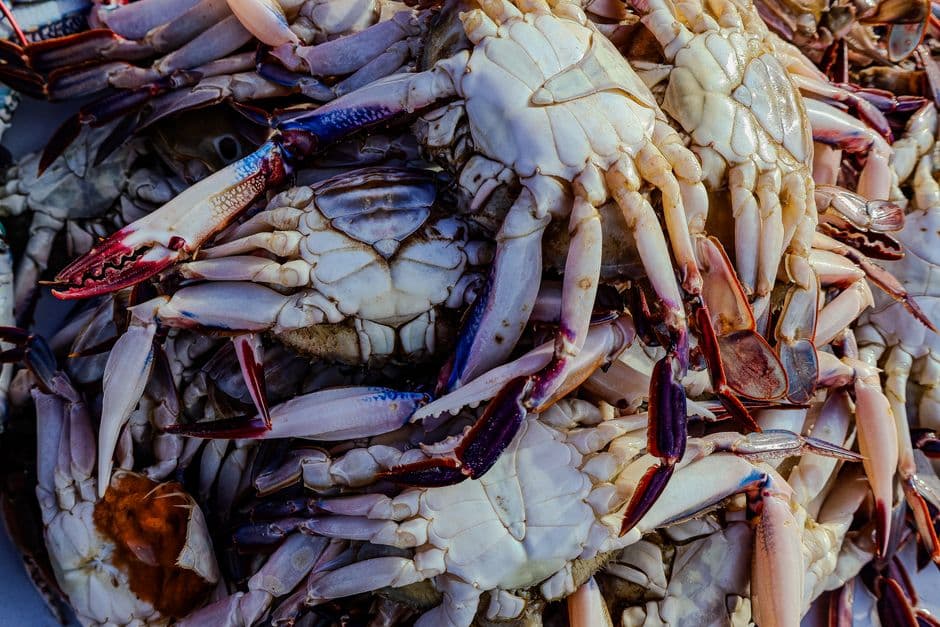
This playful streak gives rise to a series of compositions that, for example, function as still lifes, perhaps rooted in the Dutch still-life tradition but reinterpreted through the everyday colors of Mexican markets. Casual dining tables covered with plastic tablecloths, lemons, little clay cups, bread, and a molcajete arranged on a railing in Coyoacán, or the geometric order of fruit stalls and stands selling aguas frescas, are transformed through his lens. Bob does not portray markets as mere places of commerce; he looks at them with the respect of someone who finds beauty and life in the purest corners of our culture.
The exhibition is also a testament to change. Bob’s close ties with communities such as the Sierra Tarahumara, which he has returned to regularly for nearly half a century, allow him to document the evolution of agricultural techniques. His images capture the contrast between purely manual labor and animal traction on arid land, and the gradual arrival of modern mechanization. There is deep irony and poetry in those photographs where technology fails, such as one of a broken-down tractor in the middle of a field, with the community joining forces to push the machine so the day’s work can resume.
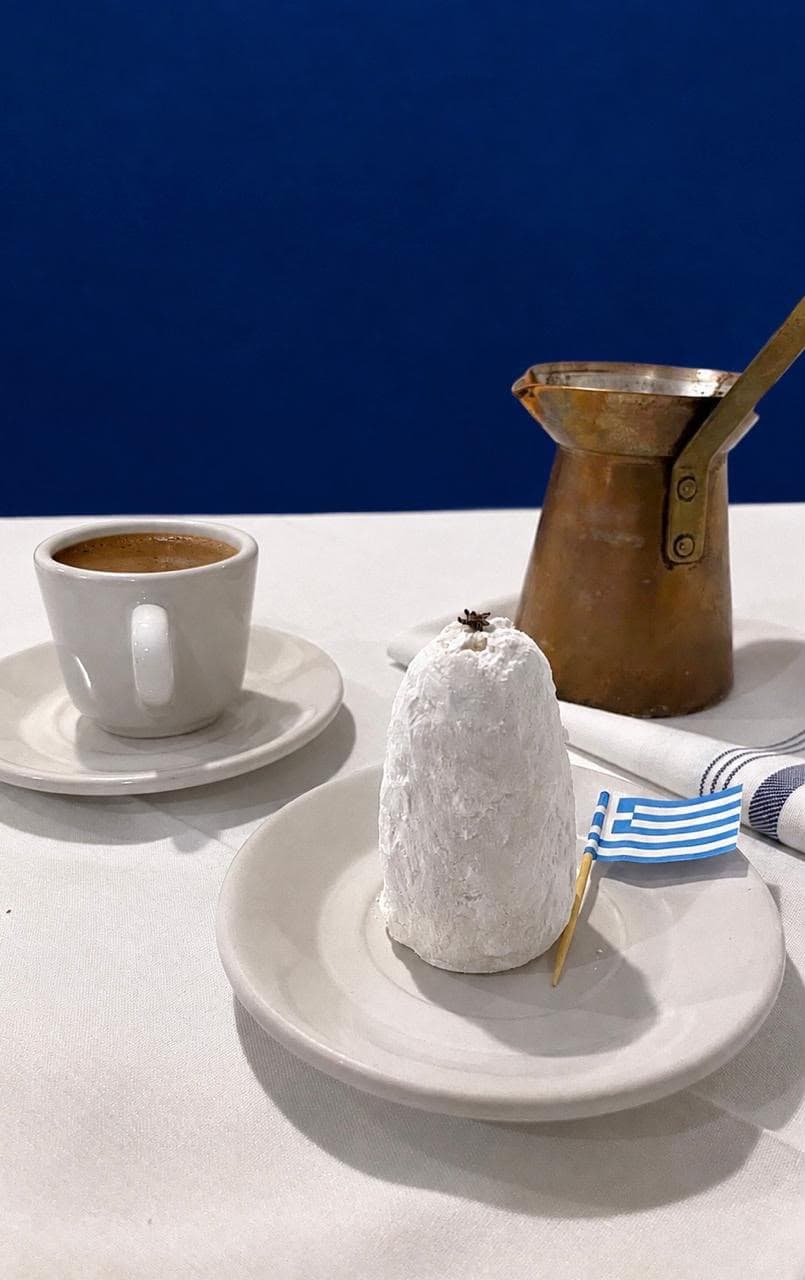
The culinary journey of Edible Herbarium comes full circle. Plants and the labor of the land take shape on the plate. The exhibition design aims to help visitors—especially the medical students who pass through the building every day—recognize the origins of remedies and nourishment in rural life. It is a reminder that the knowledge surrounding the things that nourish us is a living part of our history. As we move through images showing cacao growing right on the trunk, papayas hanging from their stems, and peanuts developing underground, the exhibition restores our capacity to marvel at the everyday, reminding us that if we learn to choose and look at what we eat, our food may well be our first medicine.
Adriaan Schalkwijk / Mexico City